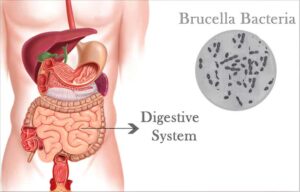


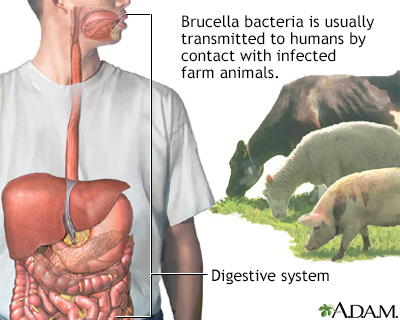
Brucellosis is a bacterial infection that affects both humans and animals. It is caused by various species of the Brucella bacteria, which are primarily transmitted from animals to humans through direct contact or the consumption of contaminated animal products. Brucellosis is also known as Malta fever, Mediterranean fever, or undulant fever due to the recurrent nature of its symptoms.
Causes and Transmission
Brucellosis is caused by several types of Brucella bacteria, including Brucella melitensis, Brucella abortus, Brucella suis, and Brucella canis. These bacteria mainly infect domestic animals like cattle, goats, sheep, pigs, and dogs. Humans can become infected through:
1. **Direct Contact**: Handling infected animals, their tissues, or bodily fluids can transmit the bacteria, especially through open wounds or mucous membranes.
2. **Consumption of Contaminated Products**: Consuming unpasteurized milk, cheese, or other dairy products from infected animals is a common route of transmission.
3. **Inhalation**: In rare cases, inhaling airborne particles containing the bacteria in laboratories, slaughterhouses, or during the birthing process of infected animals can lead to infection.
Symptoms of Brucellosis
Brucellosis has a wide range of symptoms, which can make it challenging to diagnose. The onset of symptoms can occur anywhere from a few days to several months after exposure. Common symptoms include:
– **Fever**: Often intermittent and referred to as undulant fever due to its wave-like pattern.
– **Sweats**: Particularly at night.
– **Fatigue**: Persistent tiredness, even after rest.
– **Joint and Muscle Pain**: Commonly affecting the lower back and legs.
– **Headaches**: Ranging from mild to severe.
– **Loss of Appetite and Weight Loss**: Due to prolonged illness.
In severe cases, brucellosis can affect the liver, spleen, heart, and central nervous system, leading to more serious complications like endocarditis, hepatitis, and meningitis.
Diagnosis and Treatment
Diagnosing brucellosis can be challenging due to its nonspecific symptoms. A combination of patient history, physical examination, and laboratory tests is usually required. Blood cultures, serological tests, and polymerase chain reaction (PCR) are common diagnostic methods used to identify the presence of Brucella bacteria.
Treatment involves a course of antibiotics, often a combination of doxycycline and rifampin, administered for several weeks to prevent relapse. In some cases, additional antibiotics may be necessary. Early diagnosis and treatment are crucial to avoid complications and ensure a full recovery.
Prevention
Preventing brucellosis involves several strategies, particularly for those in high-risk occupations such as veterinarians, farmers, and laboratory workers:
1. **Avoiding Consumption of Unpasteurized Dairy Products**: Ensuring that milk and dairy products are pasteurized before consumption.
2. **Using Protective Gear**: Wearing gloves, masks, and protective clothing when handling animals or working in environments where exposure is possible.
3. **Vaccination of Animals**: In some regions, livestock vaccination programs are implemented to reduce the spread of Brucella bacteria.
4. **Public Health Education**: Raising awareness about the risks of brucellosis and how to prevent it, especially in rural areas where contact with livestock is common.
Conclusion
Brucellosis remains a significant public health concern in many parts of the world, particularly in regions where livestock farming is prevalent. Awareness, early diagnosis, and proper treatment are essential in managing the disease and preventing its spread. By understanding the causes, symptoms, and preventive measures, we can reduce the risk of brucellosis and protect both human and animal health.