
Understanding Chronic Obstructive Pulmonary Disease (COPD): Causes, Symptoms, and Management

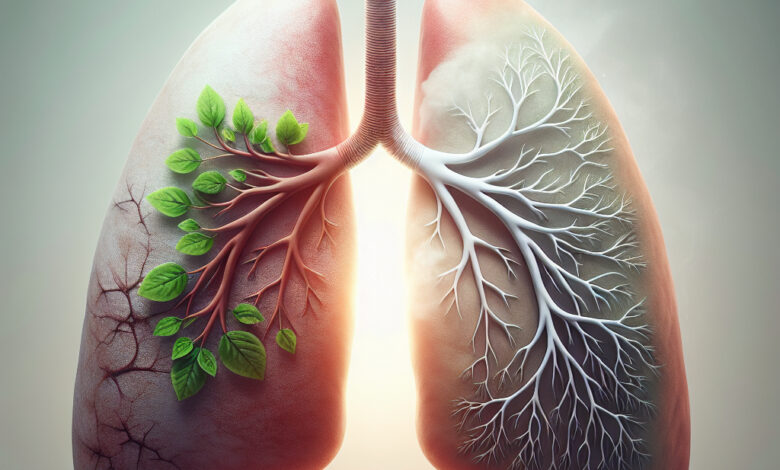
Chronic Obstructive Pulmonary Disease (COPD) is a progressive lung disease that makes it difficult to breathe and can significantly impact a person’s quality of life. It includes conditions such as emphysema and chronic bronchitis, often leading to long-term disability and premature death. Understanding COPD is crucial for managing its symptoms and improving patient outcomes.
What is COPD?
COPD is a chronic inflammatory lung disease that causes obstructed airflow from the lungs. It develops slowly and worsens over time, often leading to severe respiratory problems. The two main types of COPD are:
- Chronic Bronchitis: Characterized by a long-term cough with mucus.
- Emphysema: Involves damage to the air sacs (alveoli) in the lungs, leading to shortness of breath.
Causes and Risk Factors
The leading cause of COPD is long-term exposure to irritants that damage the lungs. The most common cause is smoking, but other factors can also contribute:
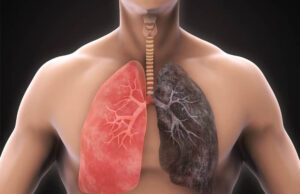
- Smoking: The most significant risk factor for COPD. About 90% of COPD cases are related to smoking.
- Environmental factors: Long-term exposure to air pollution, chemical fumes, and dust.
- Genetic factors: A rare genetic condition known as Alpha-1 Antitrypsin Deficiency can cause COPD.
- Age: COPD typically develops in people over 40 years old.
Symptoms of COPD
COPD symptoms usually develop slowly and worsen over time. Common symptoms include:
- Chronic cough: Often producing mucus (sputum).
- Shortness of breath: Especially during physical activities.
- Wheezing: A whistling sound when breathing.
- Chest tightness: Feeling of pressure in the chest.
- Frequent respiratory infections: Such as colds and flu.
- Fatigue: Persistent tiredness due to decreased oxygen levels.
Diagnosis of COPD
Early diagnosis is essential for managing COPD effectively. Diagnosis typically involves:
- Medical history and physical examination: To assess symptoms and risk factors.
- Spirometry: A lung function test that measures how much air you can inhale and exhale and how quickly you can exhale.
- Chest X-ray or CT scan: To look for emphysema or other lung conditions.
- Arterial blood gas analysis: To measure oxygen and carbon dioxide levels in the blood.
Treatment and Management of COPD
While there is no cure for COPD, various treatments can help manage symptoms and improve quality of life:
1. Lifestyle Changes
- Smoking cessation: The most critical step in slowing the progression of COPD.
- Avoiding lung irritants: Reduce exposure to pollution, chemicals, and secondhand smoke.
- Healthy diet and exercise: Maintain a balanced diet and engage in regular, moderate exercise to strengthen respiratory muscles.
2. Medications
- Bronchodilators: Medications that relax the muscles around the airways, making breathing easier.
- Inhaled corticosteroids: Reduce inflammation in the airways and decrease the frequency of flare-ups.
- Combination inhalers: Contain both bronchodilators and corticosteroids.
- Antibiotics: Prescribed during flare-ups to treat respiratory infections.
3. Pulmonary Rehabilitation
- A structured program that includes exercise training, nutrition advice, and education to help patients manage COPD symptoms.
4. Oxygen Therapy
- For patients with severe COPD, supplemental oxygen can help maintain adequate oxygen levels in the blood.
5. Surgery
- In advanced cases, surgery such as lung volume reduction or a lung transplant may be considered.
Preventing COPD
While some risk factors like genetic predisposition can’t be controlled, there are steps to reduce the risk of developing COPD:
- Quit smoking: The most effective way to prevent COPD.
- Avoid exposure to pollutants: Limit contact with harmful chemicals, dust, and fumes.
- Protect your lungs: Use masks in environments with potential irritants and ensure good ventilation.
Conclusion
Chronic Obstructive Pulmonary Disease (COPD) is a serious condition that requires long-term management. Early diagnosis and lifestyle changes, combined with appropriate medical treatment, can significantly improve the quality of life for those living with COPD. If you or someone you know is experiencing symptoms of COPD, consult a healthcare provider for proper diagnosis and care.