



Depression is a common but serious mental health condition that affects how a person feels, thinks, and handles daily activities. It goes beyond the usual feelings of sadness or temporary low moods, causing persistent feelings of hopelessness and despair. Understanding depression, its causes, symptoms, and treatment options is crucial for those affected and their loved ones.
What is Depression?
Depression, also known as major depressive disorder (MDD) or clinical depression, is a mood disorder that leads to a constant feeling of sadness and a lack of interest in activities once enjoyed. It can affect people of all ages, genders, and backgrounds. Unlike normal mood fluctuations, the symptoms of depression are severe and can interfere with daily life, work, and relationships.
Causes of Depression
Depression is a complex condition with multiple contributing factors. These can include:
- Biological Factors:
- Genetics: A family history of depression can increase the risk of developing the condition. Certain genetic traits may make some individuals more susceptible to depression.
- Brain Chemistry: Imbalances in neurotransmitters, the chemicals in the brain that regulate mood, can contribute to depression. These include serotonin, dopamine, and norepinephrine.
- Hormonal Changes: Hormonal imbalances, such as those related to pregnancy, childbirth, menopause, or thyroid problems, can trigger or exacerbate depression.
- Psychological Factors:
- Personality Traits: People with certain personality traits, such as low self-esteem, perfectionism, or a tendency to be overly self-critical, may be more prone to depression.
- Stressful Life Events: Traumatic or stressful events, such as the loss of a loved one, relationship problems, financial difficulties, or chronic illness, can trigger depression.
- Environmental Factors:
- Chronic Stress: Ongoing stress related to work, family, or social situations can lead to feelings of hopelessness and depression.
- Social Isolation: A lack of social support or feelings of loneliness can increase the risk of depression.
- Substance Abuse: The use of alcohol, drugs, or other substances can worsen depression or contribute to its onset.
Symptoms of Depression
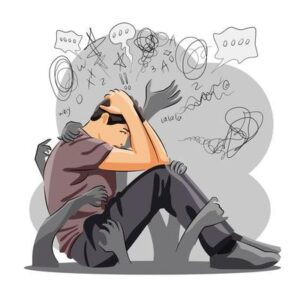
Depression can manifest in a variety of ways, and symptoms may differ from person to person. Common signs and symptoms include:
- Persistent Sadness: A constant feeling of sadness, emptiness, or hopelessness that lasts for most of the day, nearly every day.
- Loss of Interest: A lack of interest or pleasure in activities once enjoyed, including hobbies, socializing, and even sex.
- Fatigue: Persistent tiredness or lack of energy, even after adequate rest.
- Sleep Disturbances: Difficulty falling asleep, staying asleep, or sleeping too much (hypersomnia).
- Changes in Appetite: Significant weight loss or gain due to changes in appetite or eating habits.
- Difficulty Concentrating: Trouble focusing, making decisions, or remembering things.
- Feelings of Worthlessness: Excessive guilt, self-blame, or feelings of worthlessness.
- Physical Symptoms: Unexplained aches, pains, headaches, or digestive problems that do not respond to treatment.
- Suicidal Thoughts: Recurrent thoughts of death or suicide, or suicide attempts.
Types of Depression
Depression can take several forms, each with its own set of symptoms and characteristics:
- Major Depressive Disorder (MDD):
- The most common form of depression, characterized by severe symptoms that interfere with daily life.
- Persistent Depressive Disorder (Dysthymia):
- A chronic form of depression lasting for at least two years, with symptoms that are less severe but longer-lasting than MDD.
- Bipolar Disorder:
- A mood disorder characterized by alternating periods of depression and mania (elevated mood).
- Postpartum Depression:
- Depression that occurs after childbirth, affecting a mother’s ability to care for her newborn.
- Seasonal Affective Disorder (SAD):
- A type of depression that occurs at specific times of the year, usually during the winter months when there is less sunlight.
- Psychotic Depression:
- Severe depression accompanied by psychosis, such as delusions or hallucinations.
Diagnosing Depression
Depression is typically diagnosed through a comprehensive evaluation by a healthcare professional, which may include:
- Clinical Interview: A detailed conversation about symptoms, medical history, and family history of mental health issues.
- Physical Examination: A physical exam to rule out other medical conditions that could cause depressive symptoms.
- Questionnaires and Scales: Standardized questionnaires, such as the Beck Depression Inventory (BDI) or the Patient Health Questionnaire (PHQ-9), may be used to assess the severity of depression.
Treatment Options for Depression
Depression is a treatable condition, and a variety of effective treatments are available. The best approach often involves a combination of treatments tailored to the individual’s needs:
- Psychotherapy:
- Cognitive Behavioral Therapy (CBT): Focuses on identifying and changing negative thought patterns and behaviors.
- Interpersonal Therapy (IPT): Addresses relationship issues that may contribute to depression.
- Psychodynamic Therapy: Explores unconscious conflicts and how they influence current behavior and emotions.
- Mindfulness-Based Cognitive Therapy (MBCT): Combines mindfulness practices with cognitive therapy to prevent relapse.
- Medication:
- Antidepressants: Medications such as selective serotonin reuptake inhibitors (SSRIs), serotonin and norepinephrine reuptake inhibitors (SNRIs), and tricyclic antidepressants (TCAs) can help balance brain chemicals.
- Mood Stabilizers and Antipsychotics: These may be prescribed in cases of bipolar disorder or severe depression with psychosis.
- Lifestyle Changes:
- Regular Exercise: Physical activity can boost mood by increasing the production of endorphins and improving overall well-being.
- Healthy Diet: A balanced diet rich in nutrients can positively impact mental health.
- Adequate Sleep: Establishing a regular sleep routine can help manage depressive symptoms.
- Stress Management: Techniques such as meditation, yoga, and relaxation exercises can help reduce stress.
- Alternative Therapies:
- Light Therapy: Used primarily for Seasonal Affective Disorder (SAD), light therapy involves exposure to a bright light that mimics natural sunlight.
- Electroconvulsive Therapy (ECT): ECT may be recommended for severe depression that has not responded to other treatments. It involves electrical stimulation of the brain under anesthesia.
- Transcranial Magnetic Stimulation (TMS): A non-invasive procedure that uses magnetic fields to stimulate nerve cells in the brain.
Supporting Someone with Depression
If you know someone who is struggling with depression, offering support can make a significant difference:
- Listen Without Judgment: Be there to listen and offer a non-judgmental space for them to express their feelings.
- Encourage Professional Help: Gently encourage them to seek help from a mental health professional.
- Offer Practical Support: Help with everyday tasks, such as grocery shopping or attending medical appointments.
- Stay Connected: Keep in touch regularly, even if it’s just a simple message or phone call.
Conclusion
Depression is a serious and complex mental health condition that requires attention and care. With the right treatment and support, individuals with depression can manage their symptoms and lead fulfilling lives. If you or someone you know is struggling with depression, it’s important to reach out for help. Early intervention can make a significant difference in recovery and overall well-being.