
Parkinson’s Disease: Symptoms, Causes, and Management

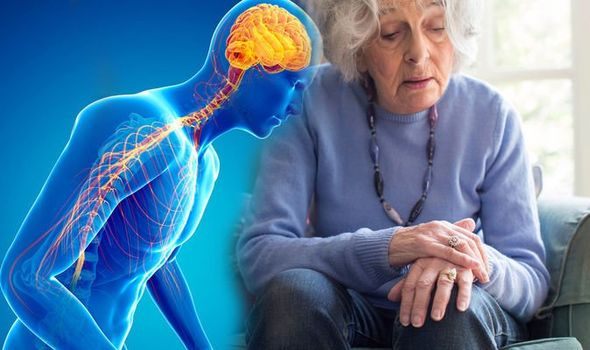
Parkinson’s disease is a progressive neurological disorder that primarily affects movement. It occurs when nerve cells in the brain that produce dopamine, a chemical responsible for transmitting signals that coordinate movement, become impaired or die. The exact cause of Parkinson’s disease is still not fully understood, but it is believed to involve a combination of genetic and environmental factors.
Symptoms of Parkinson’s Disease
Parkinson’s disease manifests through a variety of motor and non-motor symptoms, which can vary widely from person to person. The symptoms typically develop gradually and worsen over time.
Motor Symptoms:
- Tremor: A shaking or trembling that usually begins in a hand or fingers, often noticeable when the hand is at rest.
- Bradykinesia: Slowness of movement, making everyday tasks such as walking, dressing, or eating more challenging.
- Rigidity: Stiffness or inflexibility in the muscles, which can cause discomfort and limit the range of motion.
- Postural Instability: Impaired balance and coordination, leading to an increased risk of falls.
Non-Motor Symptoms:
- Cognitive Changes: Difficulty with attention, memory, and problem-solving. In some cases, dementia may develop in the later stages.
- Mood Disorders: Depression, anxiety, and apathy are common in Parkinson’s patients.
- Sleep Disturbances: Problems such as insomnia, vivid dreams, and daytime sleepiness.
- Autonomic Dysfunction: Issues like constipation, low blood pressure, and urinary incontinence.
Causes and Risk Factors
The exact cause of Parkinson’s disease remains unknown, but several factors may contribute to its development:
- Genetics: Mutations in certain genes have been linked to Parkinson’s, though these are more common in people with a family history of the disease.
- Environmental Triggers: Exposure to certain toxins, pesticides, or heavy metals has been associated with a higher risk of developing Parkinson’s.
- Age: Parkinson’s disease primarily affects older adults, with most cases diagnosed after the age of 60.
- Gender: Men are slightly more likely to develop Parkinson’s than women.

Diagnosis of Parkinson’s Disease
Diagnosing Parkinson’s disease can be challenging, as there are no specific tests to confirm it. Instead, diagnosis is typically based on a patient’s medical history, a review of symptoms, and a neurological examination. Doctors may also use imaging tests, such as MRI or PET scans, to rule out other conditions that could cause similar symptoms.
Treatment and Management
While there is currently no cure for Parkinson’s disease, several treatments can help manage symptoms and improve quality of life. Treatment plans are usually tailored to the individual, depending on the severity of the disease and the specific symptoms experienced.
- Medications: The mainstay of treatment is medication to replenish or mimic dopamine. Common drugs include Levodopa, which the brain converts into dopamine, and dopamine agonists that simulate the effect of dopamine in the brain.
- Surgical Options: In advanced cases, Deep Brain Stimulation (DBS) may be considered. This involves implanting electrodes in the brain that deliver electrical impulses to regulate abnormal signals.
- Physical Therapy: Regular exercise and physical therapy can help improve mobility, flexibility, and balance. Specialized programs like LSVT BIG and LOUD focus on movement and speech improvement for Parkinson’s patients.
- Occupational Therapy: This helps individuals maintain independence by teaching strategies to manage daily activities despite physical limitations.
- Speech Therapy: Since Parkinson’s can affect speech and swallowing, speech therapy can be beneficial for maintaining communication skills and preventing complications like aspiration pneumonia.
- Lifestyle Modifications: Diet, exercise, and mental health support are crucial in managing Parkinson’s disease. A balanced diet rich in fiber can help manage constipation, while regular physical activity can slow the progression of motor symptoms.
Living with Parkinson’s Disease
Living with Parkinson’s disease presents challenges, but with the right support and treatment, many people continue to lead active, fulfilling lives. Support from family, friends, and healthcare professionals is essential in managing the disease. Joining support groups can also provide emotional comfort and practical advice from others who understand the challenges of living with Parkinson’s.
Conclusion
Parkinson’s disease is a complex condition that affects millions of people worldwide. While it currently has no cure, advances in treatment and therapy offer hope for managing symptoms and improving quality of life. Awareness, early diagnosis, and a comprehensive approach to care are key to helping those with Parkinson’s disease live as fully and independently as possible.