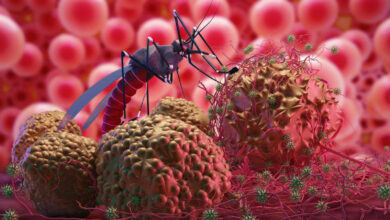

Common Liver Diseases: An Overview


The liver is essential for detoxifying the body, but it can be affected by various diseases. Here’s a brief look at some of the most common liver conditions:
1. Hepatitis
Overview: Hepatitis is liver inflammation, often caused by viruses like Hepatitis A, B, and C.
Symptoms: Fatigue, jaundice, dark urine, and abdominal pain.
Treatment: Depends on the type; options include antiviral medications and supportive care.
2. Fatty Liver Disease
Overview: Fatty liver occurs when fat builds up in the liver, leading to Alcoholic Fatty Liver Disease (AFLD) or Non-Alcoholic Fatty Liver Disease (NAFLD).
Symptoms: Often asymptomatic but may include fatigue and abdominal discomfort.
Treatment: Lifestyle changes like diet, exercise, and reducing alcohol intake.

3. Cirrhosis
Overview: Cirrhosis is severe liver scarring due to long-term damage.
Symptoms: Jaundice, fatigue, swelling, and confusion.
Treatment: Managing the cause, medications, and possibly a liver transplant.
4. Liver Cancer
Overview: Liver cancer usually starts in liver cells, most commonly as hepatocellular carcinoma.
Symptoms: Unexplained weight loss, abdominal pain, and jaundice.
Treatment: Surgery, liver transplant, targeted therapy, and chemotherapy.
5. Liver Failure
Overview: Liver failure is the loss of liver function, either suddenly (acute) or over time (chronic).
Symptoms: Jaundice, confusion, abdominal swelling, and vomiting blood.
Treatment: Immediate medical care for acute cases, managing chronic conditions, or a liver transplant in severe cases.
Conclusion
Liver diseases can have serious health impacts. Early detection and lifestyle changes are key to prevention and effective treatment. Consult a healthcare provider if you notice any symptoms.