
Understanding Tuberculosis: Causes, Symptoms, and Treatment


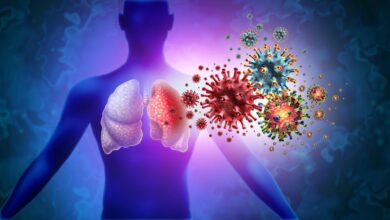
Tuberculosis (TB) is a serious infectious disease that primarily affects the lungs, though it can impact other parts of the body. Despite being preventable and curable, TB remains a significant public health issue worldwide.
What is Tuberculosis?
Tuberculosis is caused by the bacterium Mycobacterium tuberculosis. It spreads through the air when an infected person coughs, sneezes, or talks. While not everyone exposed to the bacteria will become sick, those with weakened immune systems are at higher risk.
Symptoms of Tuberculosis
TB symptoms can vary depending on where in the body the bacteria are active. The most common symptoms of pulmonary TB (affecting the lungs) include:
- Persistent cough lasting more than three weeks
- Coughing up blood or sputum (mucus)
- Chest pain
- Fatigue and weakness
- Unintentional weight loss
- Fever and night sweats
- Loss of appetite
If TB affects other parts of the body, symptoms may include pain and swelling in the affected area, such as the spine, kidneys, or lymph nodes.
Causes and Risk Factors
TB is caused by inhaling droplets containing Mycobacterium tuberculosis. Several factors increase the risk of contracting TB:
- Close contact with someone who has active TB
- Weakened immune system (e.g., HIV/AIDS, diabetes)
- Living or working in crowded conditions
- Malnutrition
- Smoking and substance abuse

Diagnosis and Treatment
Diagnosis: TB is diagnosed through a combination of medical history, physical examination, and diagnostic tests, including:
- Tuberculin skin test (Mantoux test)
- Blood tests
- Chest X-rays
- Sputum tests to detect the bacteria
Treatment: TB is treatable with a course of antibiotics, typically lasting 6-9 months. The most commonly used drugs include isoniazid, rifampicin, ethambutol, and pyrazinamide. It’s crucial to complete the full course of treatment to prevent the development of drug-resistant TB.
For those with latent TB (where the bacteria are present but inactive), preventive therapy may be recommended to reduce the risk of developing active TB.
Prevention
Preventing TB involves several strategies:
- Vaccination: The BCG vaccine is commonly administered to infants in countries where TB is prevalent.
- Early detection and treatment: Prompt treatment of active TB reduces the risk of spreading the disease.
- Infection control: Good ventilation, wearing masks, and proper hygiene can reduce transmission, especially in high-risk environments.
- Lifestyle changes: Maintaining a healthy immune system through proper nutrition and avoiding tobacco and substance abuse can lower the risk of TB.
Conclusion
Tuberculosis remains a global health challenge, but with early detection, proper treatment, and preventive measures, it can be effectively managed and cured. Awareness and education are key to reducing the spread of TB and protecting public health.
If you suspect you have been exposed to TB or are experiencing symptoms, consult a healthcare provider for appropriate testing and care.